Book Review Library
Book Reviews
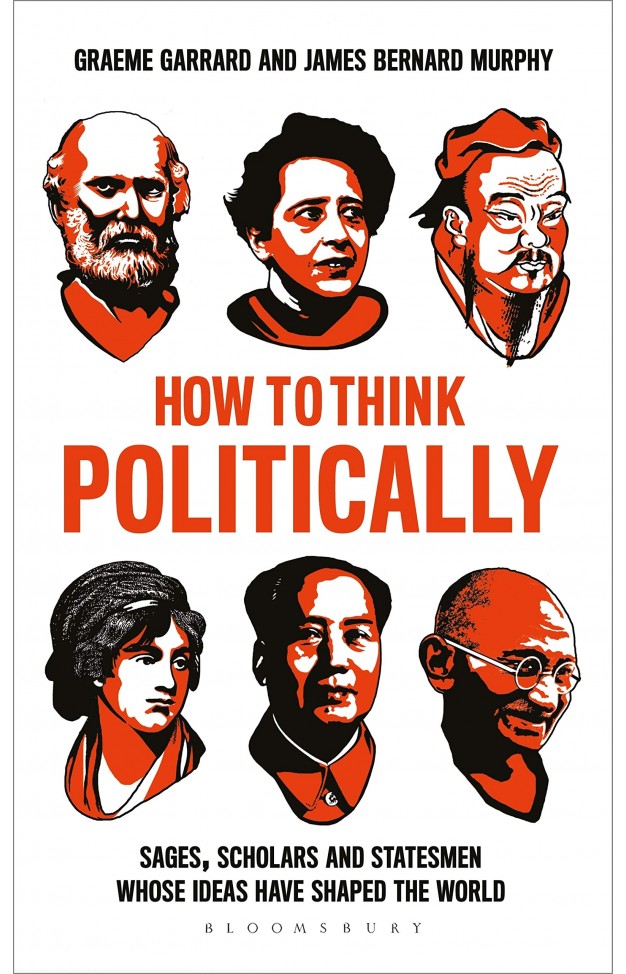
How to Think Politically by Graeme Garrard explains how great political thinkers from history can help us understand modern political debates. Rather than telling readers what political opinions to hold, Garrard focuses on how to think about political issues more clearly and critically. The book introduces ideas from major philosophers such as Thomas Hobbes, John Locke, Jean-Jacques Rousseau, Karl Marx, and Hannah Arendt, showing how their ideas still shape discussions about freedom, authority, equality, and democracy today.
A central theme of the book is that political thinking requires understanding different perspectives and the assumptions behind them. Garrard explains how philosophers have answered fundamental questions such as: Why do we need governments? What is freedom? When is authority legitimate? What makes a society fair? By exploring these ideas, the book shows that political disagreements often come from deeper differences in values and beliefs about human nature and society. Learning these frameworks helps readers analyze political arguments rather than simply reacting emotionally.
Ultimately, the book encourages critical thinking and intellectual openness. Garrard argues that good political thinking involves questioning assumptions, understanding historical context, and recognizing the complexity of social problems. Instead of seeking simple answers, readers are encouraged to explore competing ideas and develop informed opinions. The overall message is that politics becomes clearer and more meaningful when we engage thoughtfully with the philosophical ideas that have shaped the modern world.
10 Lessons from the Book
1. Politics is about Power and How it is Used: Politics isn’t just elections or parties. It’s about who has power, how they got it, and how they use it to shape society.
2. Different Thinkers See Politics Differently: The book introduces ideas from famous political thinkers like Plato, Niccolò Machiavelli, and Karl Marx. Each had different views about leadership, justice, and society.
3. Good Politics Requires Critical Thinking: Instead of accepting political ideas automatically, good citizens ask:
a. Who benefits from this policy?
a. What are the consequences?
b. Is it fair?
4. Freedom means Different Things to Different People: Some thinkers define freedom as freedom from control (no interference). Others define it as freedom to achieve opportunities (education, health, security). Politics often debates these definitions.
5. Power can be Constructive or Destructive: Power can help create laws, order, and justice. But it can also be abused if leaders are not held accountable.
6. Conflict is Part of Politics: People have different values and interests. Political systems exist partly to manage disagreements peacefully.
7. Ideas Shape Governments: Political philosophies influence real systems like democracy, socialism, and liberalism. The ideas of philosophers often shape laws and institutions centuries later.
8. Leadership Requires Both Wisdom and Responsibility: Great thinkers debate what makes a good leader
a. Intelligence
b. Virtue
c. Practical skill
d. Concern for the common good
9. Citizens Play an Important Role: Politics is not only for leaders; active, informed citizens help protect fairness, accountability, and freedom.
10. Understanding Politics Helps You Understand the World: Many global issues, conflicts, economic systems, and laws come from political ideas. Learning political thinking helps you analyze why societies function the way they do.